6 min read
Whole Bean vs Ground vs Pods: Which to Buy
Compare whole bean, pre-ground, and pod coffee on freshness, cost, and taste. Why whole bean wins on flavor and when ground or pods still make sense.

Whole bean is the better buy if you care about taste and you own a grinder, because beans hold their flavor far longer than coffee that has already been ground. Pre-ground is the right call when you do not own a grinder yet and want to brew today. Pods win on speed and cleanup, and you pay for that convenience by the cup. The whole question really comes down to one thing, which is how fast coffee goes stale once it meets air.
Here is the mechanism, because it explains every recommendation below. A roasted coffee bean is a sealed package. Most of the aroma compounds and oils that make coffee taste like coffee sit inside the bean, protected from oxygen until you break it open. The moment you grind, you shatter that package into thousands of tiny pieces and expose a huge amount of surface area to air all at once. Oxygen and moisture get to work, and the bright, sweet, aromatic top notes are the first to go. This is why a bag of pre-ground coffee can smell wonderful when you open it and taste flat a week later. The coffee did not go bad. It went stale, and grinding is what started the clock.
Whole bean buys you time. An unopened bag of whole beans stays close to peak for weeks because the grinding step has not happened yet. Grind right before you brew and you capture the aroma at its fullest, which is the entire reason a fresh-ground cup smells so much louder than a cup from a pre-ground tin. The trade is that you have to own and use a grinder, and not just any grinder. A blade grinder chops beans into uneven chunks and dust, which brews unevenly and tastes harsh. A burr grinder crushes beans to a consistent size, which is what actually lets fresh coffee taste like its potential. If you want the full case for why burr beats blade, our guide to why a burr grinder fixes flat coffee walks through it.
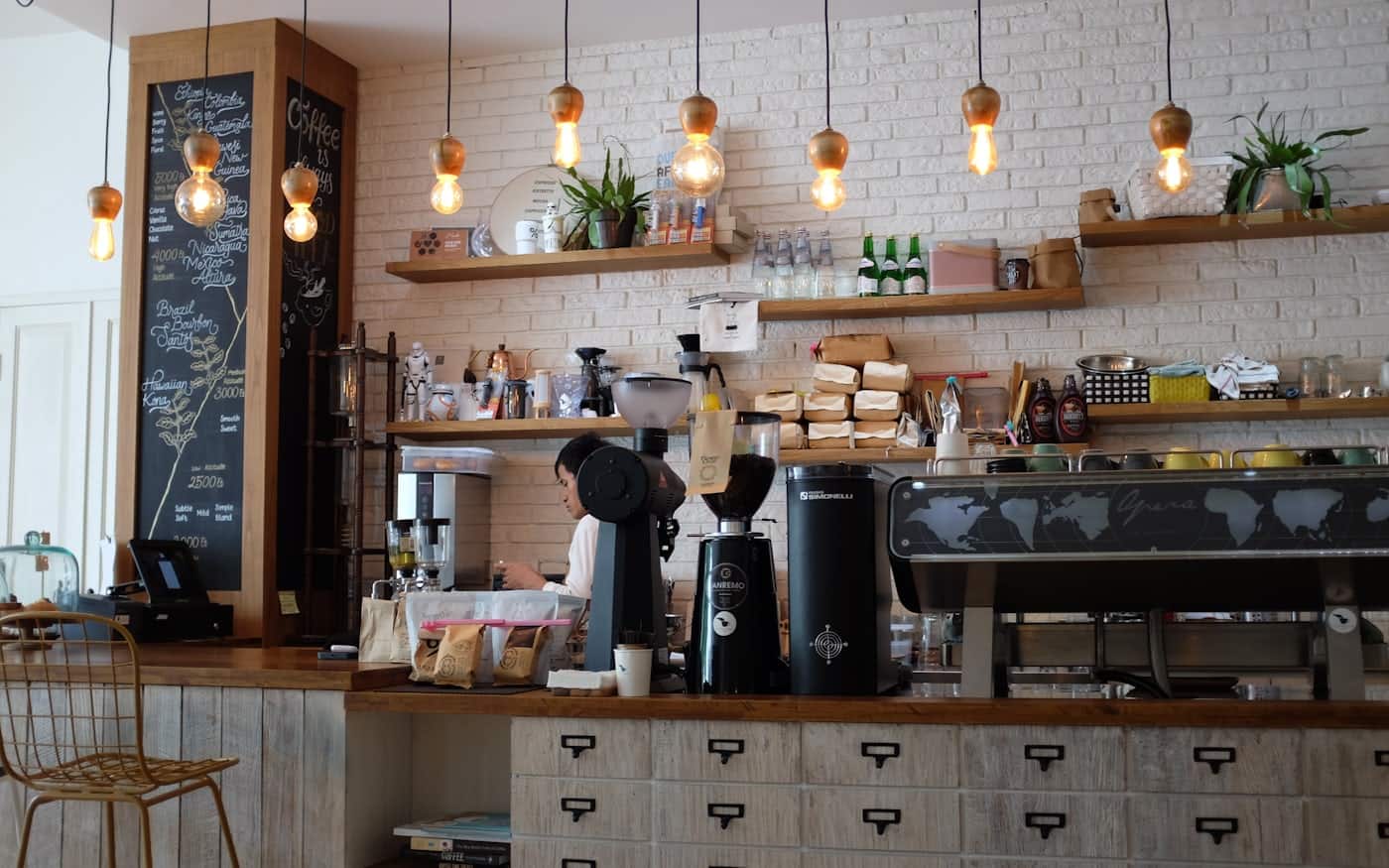
So the real objection to whole bean is not about beans. It is about the grinder. People who say pre-ground tastes the same usually do not own a burr grinder, so for them it does, because a blade grinder gives back most of what fresh grinding wins. If you are weighing the spend, a solid burr grinder is the first piece of gear worth buying, ahead of a fancy kettle or brewer, because grind quality drives the cup more than any other tool. Our shortlist of the best burr grinders under $100 is the place to start, and if you want something pocket-sized for travel or a small kitchen, the best manual coffee grinders cover the hand-crank field. Buy the grinder first, and whole beans start earning their keep the next morning.
Pre-ground coffee still has an honest place. If you do not own a grinder, a fresh bag of ground coffee from a roaster you trust beats a stale bag of whole beans you cannot grind well. The rules for making it work are simple. Buy small bags so you finish them before they fade. Tell the roaster or the bag which brew method you use so the grind matches, since a French press wants a coarse grind and a pour-over wants something finer. Then store it sealed, away from light, heat, and the freezer-door temperature swings that pull in moisture. We get into the details in our guide to how to store coffee beans so they stay fresh. Ground coffee is a fine bridge. It is just a bridge to a grinder, not a destination.
Pods are a different deal entirely, and worth being clear-eyed about. What you are buying with a pod is a single, sealed, pre-measured dose that brews in under a minute with nothing to clean. The sealing is the clever part: a pod keeps air off the grounds until you pierce it, so it holds freshness better than an open bag of pre-ground sitting on your counter. That is a real advantage if convenience is the whole point. What you give up is control. You cannot change the grind, you cannot change the dose, and you are locked into whatever beans the pod maker chose. You also pay more per cup than you would buying beans by the bag, and there is the waste question, since most pods are single-use. None of that makes pods wrong. It makes them a tool for a specific job, which is a fast, consistent cup with zero fuss.
Cost lines up with control. Whole beans are the cheapest per cup and give you the most say over the result. Pre-ground costs about the same per bag but trades away freshness. Pods cost the most per cup and trade away nearly all the control in exchange for speed. There is no single right answer, only a right answer for what you value. If your mornings are a sprint and you want one button and no mess, pods make sense. If you want the best cup your money can buy and you are willing to spend a minute grinding, whole beans win going away. Most people who start grinding fresh do not go back, which tells you something about where the flavor actually lives.
If you do switch to whole bean, the beans themselves matter, and this is where Brooklyn has an edge. Buying from a local roaster means the coffee reaches you days from roast rather than months. Pick up a bag from Devoción in Williamsburg, or from Sey Coffee in Bushwick, which roasts in-house in a light Nordic style, and you are starting from a much fresher bean than anything that has shipped across the country. If you want to understand how roasters source and date their coffee, our piece on Brooklyn roasters and how they source goes deeper, and you can find more places to grab beans across the specialty coffee shops in the borough.
One more thing to settle once you have beans and a grinder: the grind setting. Whole bean only beats pre-ground if you grind to the right size for your method, and that size changes from one brewer to the next. Coarse for French press, medium for pour-over, fine for espresso. Our grind size chart by brewing method gives you a starting point for each, and from there you adjust by taste. If you are still putting a home setup together and want to know where the first dollars go, the best home coffee setup by budget guide places the grinder, the beans, and everything else in order. The short version of all of it: freshness is the whole ballgame, and a grinder plus whole beans is how you keep it.
Frequently asked
- Is whole bean coffee actually better than pre-ground?
- For flavor, yes. Whole beans keep more of their aroma and oils because the inside of the bean is sealed until you grind it. Pre-ground coffee exposes far more surface area to air, so it goes flat faster. The catch is that whole beans only pay off if you grind them fresh, which means owning a burr grinder.
- Do I have to buy a grinder to switch to whole bean?
- To get the upside, yes. The flavor advantage of whole bean comes from grinding right before you brew. A burr grinder is the piece of gear that unlocks it, and a good one under $100 is the single biggest upgrade most home brewers can make.
- Are coffee pods worth it?
- Pods buy you speed and zero cleanup, and a sealed pod holds freshness reasonably well until you open it. You pay for that convenience per cup, and you give up control over grind, dose, and bean choice. If consistency and a fast morning matter more to you than dialing in flavor, pods earn their place.
- Is pre-ground coffee ever the right choice?
- Yes. If you do not own a grinder yet, buying ground coffee from a roaster you trust beats nothing, especially if you buy small bags and use them quickly. Match the grind to your brew method when you order, and store it sealed and away from light and heat.