June 24, 20266 min read
Hand Grinder vs Electric: Which to Buy
Compare hand and electric burr grinders by cost, speed, noise, and counter space, with picks like the 1Zpresso Q2, OXO Brew, and Baratza Encore ESP.

Buy a hand grinder if you brew one or two cups of filter coffee, have little counter space, or want the most burr quality for the lowest spend. Buy an electric grinder if you make a pot every morning, grind for more than one person, or want espresso, because cranking 30 grams by hand each day stops being charming. The grind quality itself comes down to the burrs, not the crank, so at the same price the two are closer than people think. What you are really choosing between is effort and convenience.
Start with the part that does not change with your decision. Both a hand grinder and a decent electric grinder use a real burr grinder mechanism, two burrs that crush beans to a set size, instead of a blade that chops unevenly and scatters fines. That even grind is what drives an even cup, and it is the reason any burr beats any blade at any price. If you want the full theory on why that is true and how grinders sort out by budget, our guide to why a burr grinder fixes flat coffee covers it. This page assumes you have decided on burr and only need to pick the form.
The case for a hand grinder is cost, quiet, and counter space. Because you are not paying for a motor, the money goes into the burrs, so a hand grinder often carries the same grade of steel conical burrs as an electric grinder that costs noticeably more. It makes almost no noise, which matters in a thin-walled apartment with a sleeping roommate or a 5am shift. It tucks into a drawer. The catch is labor and capacity: most hand grinders hold one brew at a time, and grinding a full dose takes thirty seconds to a minute of cranking, which is fine for one cup and wearing if you make coffee for two every day.
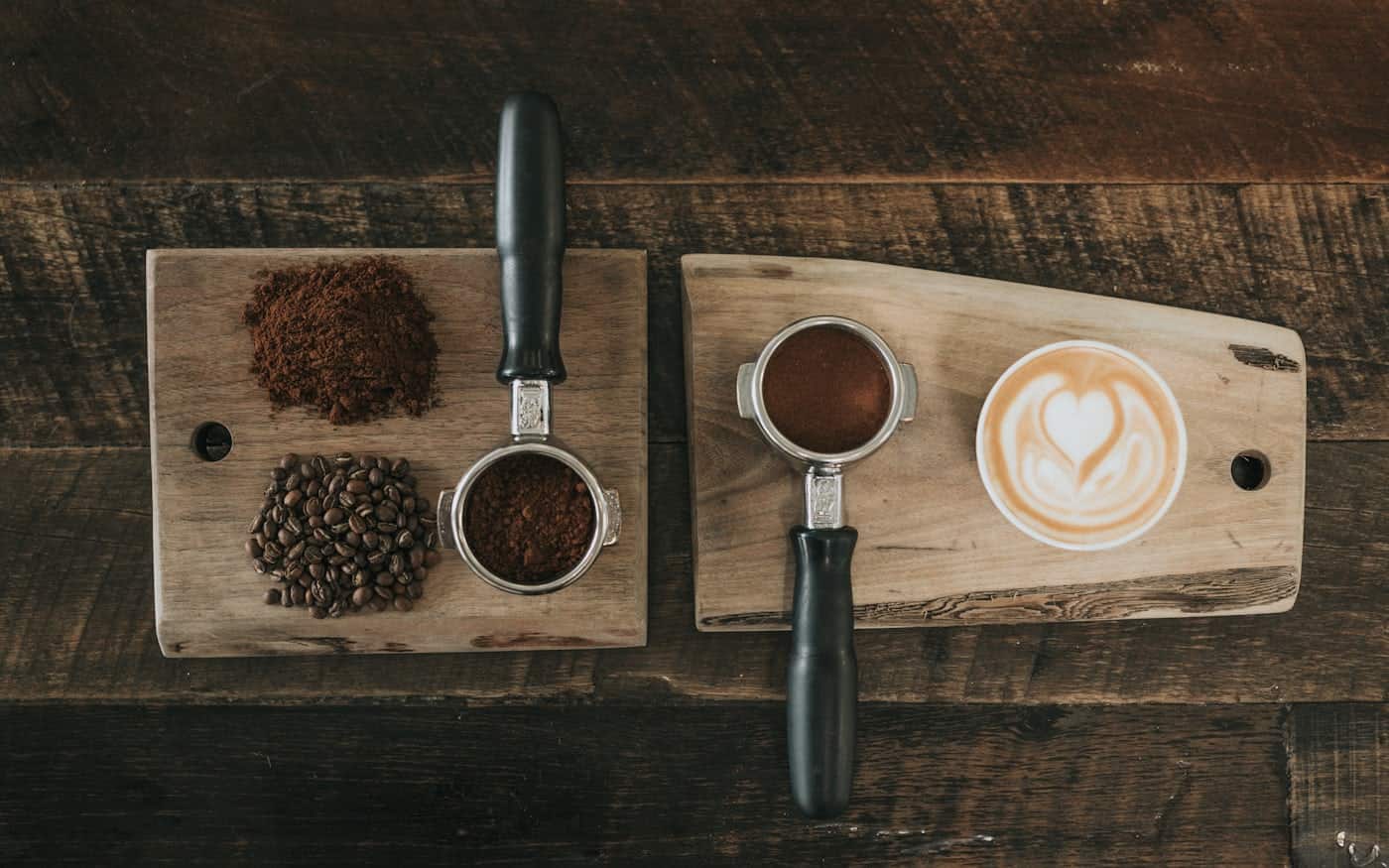
The case for an electric grinder is speed and capacity. You load a hopper, press a button, and walk away while it grinds a batch in ten or fifteen seconds. That is the entire point: it does not slow you down whether you make coffee five times a week or fifty. A good entry electric like the OXO Brew holds a 12 ounce hopper and runs on a one-touch timer, so a full pot is hands-free. The trade is that an electric grinder takes up counter space, costs more for comparable burrs, and the cheaper ones can be louder than you expect. Cheap electrics with wobbly burrs are worse than a good hand grinder, so do not buy the bargain bin.
How we picked
How we pick. We do not run a lab, and we do not claim hands-on bench testing of every grinder here. We compared burr type, grind adjustment, capacity, and a verified street price, then synthesized the people who do test at length, James Hoffmann, Wirecutter, and Serious Eats, against what Brooklyn shops run on their bars and what baristas tell us when we ask. Prices are street ranges we verified at publication and will drift, so treat them as a guide, not a quote.
Our picks
1Zpresso Q2
Compact manual grinder with stainless steel conical burrs that fits inside an AeroPress. The pick if you brew one or two cups and want burr quality for the lowest spend.
Strengths 38mm 420 stainless steel conical burrs · About 465 grams, fits inside an AeroPress chamber · Nearly silent, no outlet required
Watch-outs Holds 15 to 20 grams, one brew per fill · Cranking gets old past one or two cups
OXO Brew Conical Burr Grinder
Stainless steel conical burr with a 12 ounce hopper and a one-touch timer. The pick if you brew a full pot and do not want to crank.
Strengths Stainless steel conical burrs · 12 ounce hopper and a one-touch timer · 15 grind settings plus micro settings between them
Watch-outs Not precise enough for fine espresso · Louder than a hand grinder
Baratza Encore ESP
Electric grinder with 40mm conical burrs and a dual-resolution collar that reaches both espresso and filter. The pick if you want one machine for every brew.
Strengths 40mm conical burrs · 40 grind settings, fine steps for espresso · Grinds a batch hands-free in seconds
Watch-outs Roughly double the cost of a hand grinder · Takes up counter space
Best hand grinder for most: the 1Zpresso Q2. It uses 38mm stainless steel conical burrs, weighs about 465 grams, and is small enough to fit inside an AeroPress chamber, so it travels and it disappears into a drawer. It holds 15 to 20 grams, one brew per fill, and adjusts internally through fine clicks that suit filter coffee. The honest downside is capacity and effort: you refill for every cup, and a houseful of morning coffee turns the crank into a chore. For one or two cups of pour-over or French press, it is the most grind quality you can buy for the spend. If you want the full hand-grinder field, including espresso-capable picks, our guide to the best manual coffee grinders goes deeper.
Best entry electric: the OXO Brew Conical Burr Grinder. It runs stainless steel conical burrs, holds a 12 ounce hopper, and grinds on a one-touch timer that remembers your last setting, so a full pot needs one button. It covers the grind range for drip, pour-over, and French press across 15 settings with micro steps between them. The honest downside is that it is not a fine-espresso tool and it is louder than a hand grinder. If you brew a pot and want to skip the cranking without spending much, this is the one. It sits in the same budget as several hand grinders, so the choice here is purely effort versus counter space. For the rest of the sub $100 field, our best burr grinder under $100 guide has the shortlist.
Best do-it-all electric: the Baratza Encore ESP. It uses 40mm conical burrs and a dual-resolution grind collar that steps fine enough for espresso and wide enough for filter, 40 settings in all, so one machine covers your V60 in the morning and a shot in the afternoon. It grinds a dose hands-free in seconds. The honest downside is price and footprint: it runs around double a good hand grinder and claims real counter space. If espresso is in your future and you do not want to buy twice, it is the practical pick. If you are weighing a home espresso setup more broadly, our guide to the best espresso machine for a small apartment pairs with it.
So how do you choose. Count your cups and look at your kitchen. If you brew one or two cups of filter coffee, value quiet, or have no counter to spare, buy the hand grinder and put the saved money into beans. If you brew a pot, make coffee for more than one person, or grind every day and resent the crank, buy the electric. If espresso is the goal, skip straight to an espresso-capable grinder, electric for daily ease or a fine-adjusting hand grinder if budget rules. The burrs decide the cup; the form decides whether grinding fits your morning. Both beat the blade grinder you are probably replacing.
Whichever you pick, the setting matters as much as the machine. French press wants coarse, pour-over wants medium, and going too fine on any grinder is where fines pile up and the cup turns bitter. Our grind size chart by brewing method gives you a starting point for each brew, and from there you adjust by taste. A grinder you dial in well is worth more than a pricier one you leave on a guess.
Fresh grinding is also what makes good Brooklyn beans worth buying. A roaster like Sey in Bushwick roasts light and ships fast, and pre-ground coffee from even a great roaster goes dull within minutes. Either a hand grinder or an electric one closes that gap; the blade grinder you might be replacing does not. Pick up whole beans on a stop through one of the specialty coffee shops around the borough, and if you are still piecing together the rest of a kit, our best home coffee setup by budget guide places the grinder in the larger picture of what to buy first.
Frequently asked
- Should I buy a hand grinder or an electric grinder?
- Buy a hand grinder if you make one or two cups, brew filter coffee, have little counter space, or want the most burr quality for the lowest spend. Buy an electric grinder if you brew a full pot, make coffee for more than one person every morning, or want to pull espresso, because grinding 30 or more grams by hand each day gets old fast.
- Is a hand grinder as good as an electric one?
- At the same price, a hand grinder usually has better burrs because there is no motor eating the budget. The grind quality difference comes down to the burrs, not the crank. Where electric wins is convenience and capacity: it grinds a batch hands-free and does not slow you down at five cups a week or fifty.
- Can a hand grinder grind espresso?
- Some can. A hand grinder with fine, repeatable adjustment like the 1Zpresso JX Pro reaches espresso grinds, but cranking an espresso-fine dose takes real effort every shot. If espresso is your main brew, an electric grinder built for it, such as the Baratza Encore ESP, is the more practical buy.
- Are hand grinders quieter than electric grinders?
- Yes. A hand grinder makes only the soft sound of beans cracking, which matters in a thin-walled Brooklyn apartment with a sleeping roommate or an early shift. Electric grinders are louder, though the better ones are quieter than a cheap blade grinder and run for only ten or fifteen seconds.
Worth a visit
Coffee shops that fit this story.