June 19, 20264 min read
Why Your Coffee Tastes Bitter or Sour (and the Fix)
Bitter coffee is over-extracted; sour coffee is under-extracted. Fix both by adjusting grind, water temperature, time, and ratio. A diagnostic guide.

If your coffee tastes bitter, you over-extracted it: you pulled too much out of the grounds. If it tastes sour, you under-extracted it: you did not pull enough. Almost every off cup at home comes down to that one axis. To fix bitter, slow the brew down (grind coarser, cooler water, less time). To fix sour, speed it up (grind finer, hotter water, more time). Change one variable at a time so you can taste which lever actually moved the cup.
Extraction is the share of the roasted bean that dissolves into your water, and it happens in a rough order. Acids and fruit notes come out first, sugars and balance in the middle, and the harsh, dry, bitter compounds last. Stop too early and you get the sharp front end with nothing behind it, which reads as sour and thin. Push too far and you drag out the bitter tail. The Specialty Coffee Association puts the target window at roughly 18 to 22 percent of the bean dissolved, the zone where a coffee tastes balanced rather than sour or harsh. You do not need to measure that number to use it. It is the reason every fix below is really the same move: nudge how much your water takes out of the grounds. If you want the measured version, total dissolved solids, or TDS, is the meter readout, but your tongue is the cheaper instrument.
Start with bitter, because it is the more common complaint. Bitter, ashy, dry-on-the-tongue coffee means the water spent too long stripping the grounds or worked too aggressively. The first lever is grind: too fine a grind packs more surface area against the water and over-extracts, so go a step coarser. The second is heat. Water just off a rolling boil, around 212F at sea level, scorches the grounds; let the kettle rest thirty seconds or so and brew closer to 195 to 205F. The third is time and amount. A pour-over that drains in four minutes when it should take three, or an espresso shot that runs long, both over-extract. Use a touch less coffee, or pull the shot shorter. Roast matters too: dark roasts are already further along the bitter path before you brew, so they need a slightly coarser grind and cooler water than a light roast.
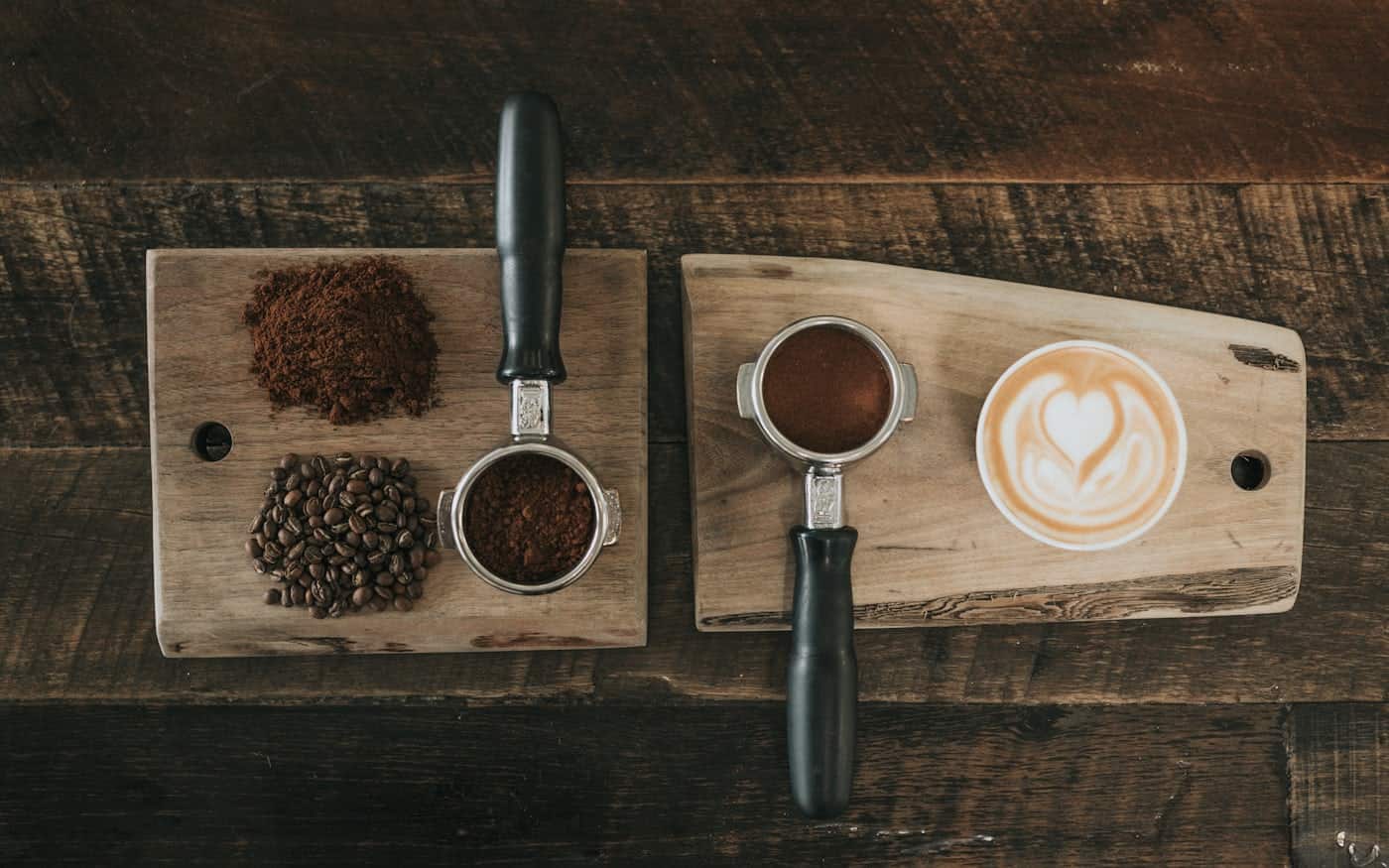
Sour coffee is the mirror image. Sharp, salty, empty, or aggressively sour means the water left too early with only the acidic front end. Grind finer so the water has more to grab, push the temperature up toward 200 to 205F, and give the brew more contact time. With pour-over, a slow, even pour and a proper bloom (a thirty to forty-five second pre-wet that lets trapped gas escape) buys you that time and evens out the extraction. With French press, sour usually means you pulled the plunger too soon; four minutes of steeping is the floor. If your coffee is both bitter and sour at the same time, that is the giveaway that the problem is not your settings at all. It is your grinder.
An uneven grind is the single most common reason home coffee tastes off, and it explains the maddening cup that is sharp and harsh in the same sip. A blade grinder chops beans into dust and boulders at once. The dust, the fines, over-extracts in seconds and goes bitter, while the boulders barely give up anything and stay sour. No amount of temperature or timing tinkering fixes a grind that is two coffees in one cup. A burr grinder crushes every particle to roughly the same size, so the whole bed extracts together and your adjustments finally do what they should. We wrote the full case for that upgrade in why a burr grinder fixes flat coffee, and the gear page lists what we recommend at each price. The grinder is also where specialty bars spend most heavily, which is why a cup at Sey Coffee in Bushwick tastes clean in a way a home blade grinder never matches.
Once the grind is even, two settings do most of the remaining work, and each has its own page. Grind size is the coarse-to-fine dial: French press wants coarse, pour-over medium, espresso fine, and our grind size chart by method gives the setting for each brewer. Strength is a separate lever, set by how much coffee you use per gram of water, the brew ratio. A weak, watery cup is not sour, it is just underdosed, and the coffee-to-water ratio guide sets the starting numbers. Keep ratio and grind apart in your head: ratio controls how strong, grind and temperature control whether it tastes bitter or sour.
Work through the cup in this order. First confirm the grind is even, which means a burr grinder. Then check the water, because temperature and mineral content both shift extraction; our guide to water for coffee covers the 195 to 205F window and why distilled water tastes flat. Then adjust grind size for bitter or sour, hold the ratio steady, and move one variable per brew. If you want the wider context behind all of this, the brewing fundamentals handbook is the place to start, and the techniques carry straight over to pour-over and espresso alike. Get the grind even and the water right, then let your tongue tell you which way to turn the dial.
Frequently asked
- Why is my coffee bitter?
- Bitter coffee is usually over-extracted: you pulled too much out of the grounds. The common causes are a grind that is too fine, water that is too hot, or a brew that ran too long. Grind a little coarser, drop the water a few degrees off the boil, or shorten the brew time and the bitterness eases.
- Why is my coffee sour?
- Sour coffee is usually under-extracted: you did not pull enough out of the grounds. The fixes are the opposite of the bitter ones. Grind finer, use hotter water closer to 200F, brew a little longer, or use slightly less water for the same coffee.
- How do I know if my coffee is over-extracted or under-extracted?
- Taste for the dominant note. Harsh, dry, ashy, lingering bitterness points to over-extraction. Sharp, sour, thin, salty, or empty points to under-extraction. Change one variable at a time and taste again so you know which lever moved the cup.
- What is the single most common cause of bad-tasting coffee at home?
- An uneven grind. A blade grinder produces dust and chunks at the same time, so part of the cup over-extracts and part under-extracts, and you taste bitter and sour at once. A burr grinder is the fix that makes every other adjustment work.
Worth a visit
Coffee shops that fit this story.