5 min read
V60 vs Chemex vs French Press vs AeroPress: Which Brewer Is Right for You?
Pick a brewer based on the cup you want, not the gear that looks coolest. A side-by-side of the V60, Chemex, French press, and AeroPress with brew specs.

Most "which brewer should I buy" guides read like a gear catalog. Pick a brewer based on the cup you want to drink, not the one that looks coolest on the counter. A V60 and a French press make nearly opposite-tasting coffee from the same beans. The choice is not about prestige or price. It is about whether you want a clean, bright cup or a thick, full-bodied one, and how much fuss you can handle on a Tuesday morning. For the broader landscape across drip machines, Moka pots, and cold brew, the home brewing methods overview covers everything. This is the head-to-head for the four brewers most people actually choose between.
The Hario V60 is the cone-shaped dripper you see on the brew bar at every specialty coffee shop in Brooklyn. Designed by Hario in Japan in 2005, it became the de facto standard for competitive pour-over and home brewers who want to taste origin. The cup is clean, bright, transparent. The paper filter strips out oils and sediment, so a V60 highlights brightness and aromatics. A washed Ethiopian tastes like jasmine and lemon. Brew time is three to four minutes plus a bloom of thirty to forty-five seconds. The plastic V60-02 runs about eight dollars; the ceramic version about thirty. Add filters, a gooseneck kettle, a scale, and a burr grinder, and you are around 150 to 180 dollars in. The V60 punishes inconsistency: grind, pour speed, and water temperature (the SCA range is 92 to 96 degrees Celsius) all matter. Skip the gooseneck kettle and the cup will taste sour and bitter at once.
The Chemex is the hourglass-shaped glass carafe with the wooden collar and leather tie. Designed by Peter Schlumbohm in 1941, it sits in the permanent collection of the Museum of Modern Art. The cup lives in similar territory to the V60 but cleaner still. Chemex filters are thicker, which traps more oils and finer particles. You get a cup with almost no body, high clarity, and a tea-like quality that some people love and others find thin. A six-cup brew takes four to six minutes plus the bloom; bigger batches stretch toward seven. The classic carafe runs about fifty dollars, the square-folded filters about fifteen for a hundred, and the rest of the kit (kettle, scale, grinder) is the same as the V60. Total entry cost: around 200 dollars. The thicker filter wants a coarser grind, and dialing it in takes a few attempts.
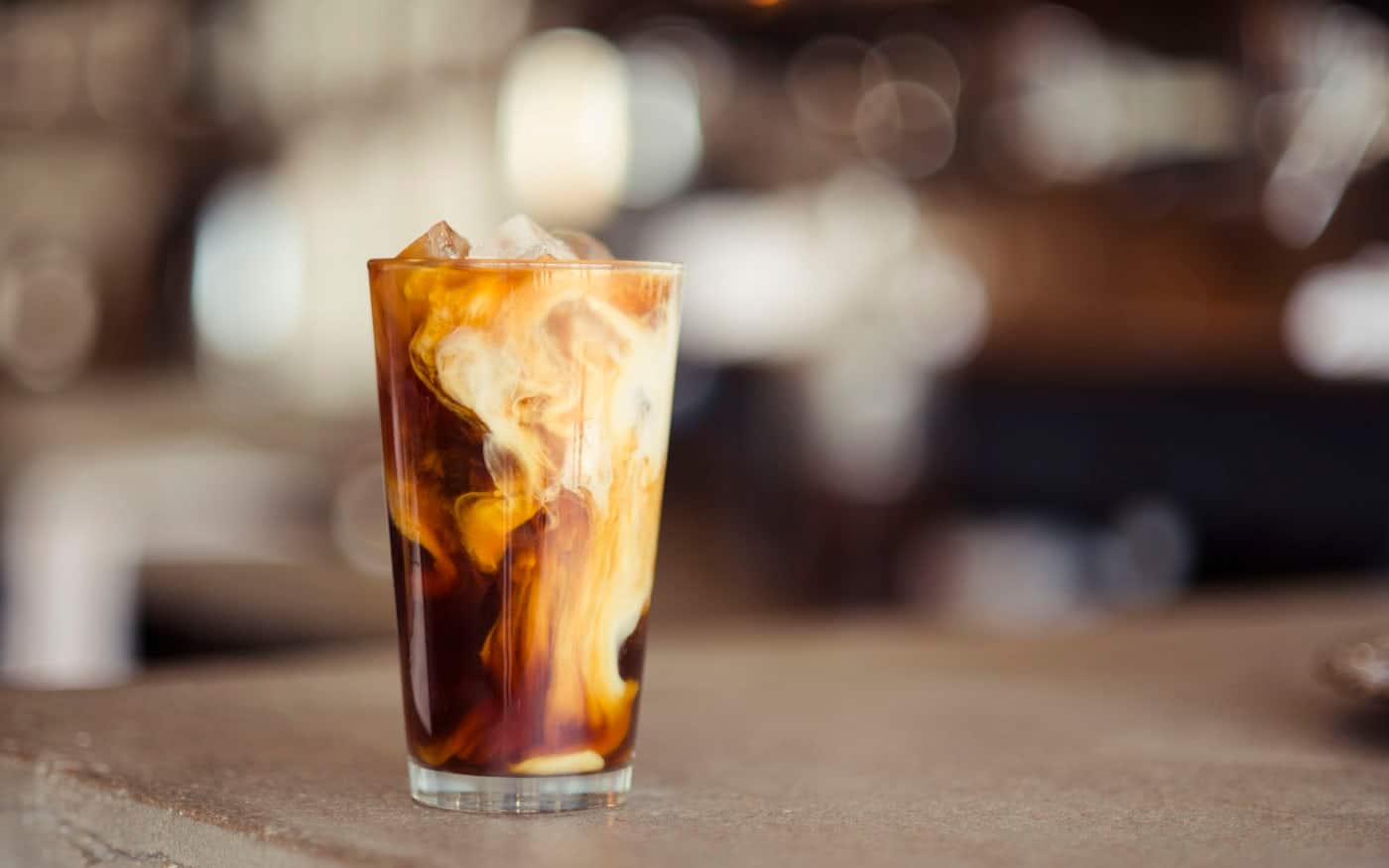
The French press is the cylindrical glass or steel container with the metal mesh plunger. Patented in its modern form by Faliero Bondanini in 1958, the design has barely changed since because it does not need to. The grounds sit in hot water for the full brew, and the mesh lets oils and fine particles through. You get the most body of any brewer in this comparison. A natural Ethiopian tastes like blueberry jam, not blueberry juice. The last sip is always slightly silty. That is part of the deal. Brew time is four minutes total: add coffee, pour water just off boil (around 93 degrees Celsius), stir, wait, press. A Bodum Chambord eight-cup press runs about forty dollars; a Frieling stainless press about eighty and lasts decades. With a hand grinder you are at 110 to 150 dollars total, no gooseneck kettle required. The catch: the mesh lets fines through, so a blade grinder will produce a sludgy, bitter cup. A burr grinder is non-negotiable. Pour the brewed coffee into a separate carafe right after pressing, too, or it keeps extracting and turns harsh within ten minutes.
The AeroPress is the plastic plunger brewer invented in 2005 by Alan Adler, the engineer behind the Aerobie flying ring. The cup depends entirely on the recipe. The standard method (grounds, hot water, stir, plunge through a paper filter) produces a clean, slightly concentrated cup somewhere between a V60 and an espresso. Inverted methods, longer steeps, and metal filters push the cup toward more body or more concentration. Brew time is a minute and a half to two minutes. Around forty dollars for the brewer, a few dollars for a hundred filters, no kettle requirement because the plunge gives you contact pressure regardless of pour technique. With a hand grinder you are around 110 dollars total, the cheapest entry into specialty home brewing. The weakness is volume. The standard brewer makes one cup at a time. If two of you want coffee at the same time, you brew twice.
A note on cost: all four assume you also buy a decent burr grinder, which is the upgrade that matters more than the brewer choice. If you are using a blade grinder, no brewer here will produce a great cup. The standard brew ratio for V60 and Chemex is about 1:16 coffee to water by weight; French press runs heavier, around 1:15; AeroPress varies by recipe but most start around 1:14 to 1:16. Use a scale, because volume measurements lie when grind density changes the math.
If you can only buy one, the AeroPress is the answer for most people. Cheapest entry, fastest cleanup, most forgiving recipe, easiest to travel with. It will not make the cleanest cup (the V60 wins there) or the fullest-bodied one (the French press wins there), but it does nearly everything well and asks for little in return. For people who already drink specialty coffee and want to push further, the V60. The technique scales with your skill. For households that brew for multiple people, the Chemex. For people who hate fussing and want a heavy, satisfying cup, the French press. The brewer is not the limiting factor in your home coffee. The grinder is, and the beans are. If you are still using pre-ground supermarket coffee, no brewer here will save you. For the easiest hot-weather method, the cold brew guide is the place to start. If milk drinks are your daily, the home espresso guide is the better path.
Frequently asked
- What is the difference between a V60 and a French press?
- A V60 paper filter strips out oils and sediment, so it highlights brightness and clarity. A French press lets oils and fine particles through, giving the most body of any brewer in this comparison. The same beans taste opposite between the two.
- Which coffee brewer is easiest for beginners?
- The AeroPress is the most forgiving and the best place to start for most people. It is the cheapest entry, the fastest to clean up, and the easiest to travel with.
- How much does it cost to start brewing at home?
- An AeroPress with a hand grinder runs around 110 dollars total, the cheapest entry. A French press is about 110 to 150 dollars, a V60 about 150 to 180 dollars, and a Chemex around 200 dollars, each including a grinder and kettle.
- What makes a Chemex different from a V60?
- Chemex filters are thicker than a V60 filter, so they trap more oils and produce a cup with almost no body and a tea-like clarity. The Chemex also suits brewing several cups at once.
Worth a visit
Coffee shops that fit this story.