July 8, 20266 min read
Espresso Accessories That Actually Matter
Skip the gadgets and buy the four espresso accessories that change the cup: a calibrated tamper, a WDT tool, a dosing cup, and a scale with a timer.

The espresso accessories that actually matter are the four that change what is in the cup: a WDT distribution tool to break up clumps in the grounds, a dosing cup to load the basket without spilling, a calibrated tamper for a level and repeatable press, and a small scale with a timer to weigh the dose going in and the shot coming out. Everything else, the knock boxes, the fancy mats, the spouted milk pitchers, is convenience or looks. Buy these four first, in roughly this order, and your shots get more consistent before you spend a dollar on a better machine.
Here is how we chose. We kept one rule: an accessory earns a spot only if it changes how the coffee tastes or how repeatable the shot is, not because it looks good on the counter. That filter cuts most of the category. The four below each target a real source of a bad shot. Clumpy grounds and an uneven bed cause channeling, where water races through a weak spot and leaves the rest of the puck underextracted. A crooked tamp does the same. Guessing the dose by eye means you never know which variable moved. Each tool removes one of those problems. If the terms are new, the portafilter entry covers the basics of what the basket and handle even do.
A quick note on what this guide is not. It is not a machine guide. If you are still choosing the espresso maker itself, our pick of the best espresso machine for a small apartment is the place to start, and the accessories here slot in once the machine is on the counter. It also assumes you already have a grinder that can reach an espresso grind, because none of these four fix a grinder that cannot go fine enough or hold a setting.
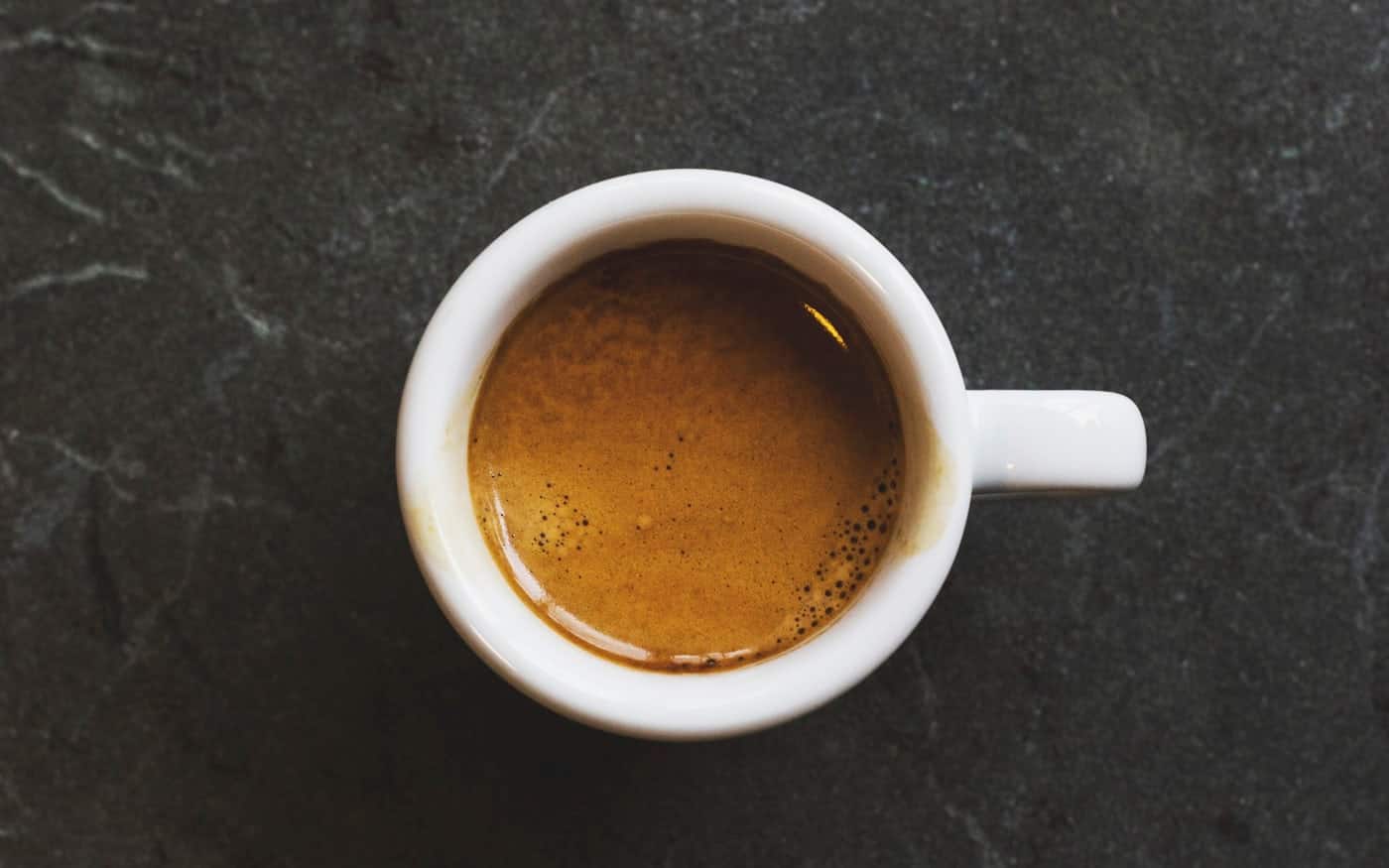
How we picked
How we picked. We do not run a lab and we do not claim hands-on bench testing of every tool here. We shortlist on one thing, whether the accessory changes the cup or the repeatability of the shot, then we synthesize the people who do test at length, James Hoffmann, Wirecutter, and Serious Eats, against manufacturer specs and what we see on Brooklyn bars and hear from baristas about which tools they keep reaching for. Prices are street ranges we checked at publication and will drift, so treat them as a budgeting guide, not a quote.
Our picks
WDT distribution tool
A handle of very thin needles you stir through the dosed grounds to break clumps before tamping. The cheapest upgrade that meaningfully cuts channeling.
Strengths Needles usually 0.3 to 0.4mm, fine enough to break real clumps · Reduces channeling more reliably than any tamper · Standard at Brooklyn specialty bars for a reason
Watch-outs Adds a few seconds and one more step to every shot · A stand or holder is worth it to keep the needles safe
Normcore 58mm Dosing Cup
A cup that catches the grind, then mates to the portafilter so you transfer the full dose without spraying grounds across the counter.
Strengths Fits a standard 58mm portafilter · Magnetic versions hold the cup steady on the basket · Keeps the dose intact, so the scale reading stays honest
Watch-outs Pure convenience, it does not change extraction on its own · Sized to one basket diameter, check 58mm versus 53mm
Normcore Spring-Loaded Tamper V4
A calibrated tamper with interchangeable springs that click at a set pressure, so every tamp lands level and at the same force.
Strengths 58.5mm base for a tight fit in a 58mm basket · Swappable 15, 25, and 30 pound springs · Self-leveling design keeps the press flat
Watch-outs Pricier than a plain flat tamper that also works · The springs help force, not your aim, technique still matters
Timemore Black Mirror Basic 2
A small scale that reads to a tenth of a gram with a built-in timer and flow rate, so you weigh the dose and the shot and change one thing at a time.
Strengths 2000g capacity at 0.1g precision · Built-in timer and flow rate readout · Small enough to sit on most drip trays
Watch-outs No automatic shot start, you tap the timer · Drip-tray fit is tight on some machines, measure first
Buy this first: a WDT tool. WDT is the Weiss Distribution Technique, named for John Weiss, and the tool is just a handle holding several very thin needles, usually 0.3 to 0.4mm across. You dose the grounds into the basket, then stir the needles through them for a few seconds to break up clumps and even out the bed before you tamp. That sounds minor and it is not. Clumps are where water punches through and channels, and breaking them up is the single most reliable way to calm down an erratic shot. It is also the cheapest tool here. WDT has become close to standard at Brooklyn specialty bars over the last decade, which tells you the people pulling hundreds of shots a day think it is worth the extra seconds.
Next, a dosing cup. This one is honest about itself: it does not change extraction, it changes your aim. You grind into the cup, then invert it onto the portafilter so the full dose drops in without scattering grounds across the counter and the scale. The reason it makes the list anyway is that a clean transfer keeps your dose intact, which keeps every other measurement honest. A 58mm cup fits a standard tamper and basket, and magnetic versions sit on the basket without sliding. If you grind straight into the portafilter today and lose grounds every time, this is a small fix that pays for itself in less mess and a more repeatable dose.
Then the tamper. A calibrated tamper helps less than the marketing suggests on one axis and more on another. Modern calibrated tampers cap the press at a fixed force, often around 30 pounds, and click once you reach it, so the click is mostly about not overdoing it. The real value is consistency. The thing that actually wrecks a tamp is angle, and a level, repeatable press is what a spring-loaded or self-leveling tamper buys you. An angled tamp is a common cause of channeling, the same problem WDT fixes from the other direction. You do not need the priciest one. A plain flat tamper that fits your basket snugly and that you can keep level by hand works fine. The calibrated version just removes one variable while you are still learning the motion, which our walkthrough of making espresso at home gets into.
Last, a scale with a timer, and this is the one most beginners skip and most regret skipping. Espresso is a ratio: a dose of grounds in, a weight of liquid out, in a window of time. You cannot eyeball any of those. A small scale that reads to a tenth of a gram, with a built-in timer, lets you weigh the dose, start the shot, and watch the output climb, so when a shot tastes wrong you know whether the dose, the yield, or the time was off. That is the whole game of dialing in. We go deeper on which model to buy in our guide to the best coffee scale with a timer, since a good scale earns its keep at the pour-over dripper too, not only under the portafilter.
How to choose among them if the budget is tight. Spend on the WDT tool and the scale before the tamper and the cup, because those two move the cup the most for the least money. The WDT tool fixes distribution, which is the leading cause of a sour, uneven shot, and the scale lets you actually measure your way out of a bad one instead of guessing. The dosing cup and the calibrated tamper are quality-of-life upgrades that make the routine cleaner and more repeatable, and they are worth it, but they come second. If a shot is coming out harsh or thin and you want to know which knob to turn, our notes on why coffee tastes bitter or sour walk through the order of operations.
One thing none of these four can fix is the grinder. Espresso lives or dies on a fine, even, repeatable grind, and a tamper cannot rescue grounds that came out clumpy and inconsistent in the first place. If your grinder cannot reach a true espresso grind or hold the setting, that is where the next dollars go, not into more accessories. Our guide to the best burr grinder under $100 is the starting point if you are still on a blade grinder or pre-ground, and the broader home coffee setup by budget guide shows where the grinder, the machine, and these accessories sit next to each other on the counter.
The Brooklyn way to calibrate your own setup is to taste what good espresso is supposed to be before you chase it at home. The baristas at Sey Coffee in Bushwick run WDT and dialed grinders as a matter of course, and any of the borough's specialty coffee shops will pull a shot worth using as your reference. Watch what they do at the bar, the distribution, the level tamp, the scale on the tray, and you will recognize that the accessories that matter at home are the same ones the pros never skip. Buy those four, leave the gadgets, and spend the rest on better beans.
Frequently asked
- What espresso accessories are actually worth buying?
- Four of them change the cup: a WDT distribution tool to break up clumps, a dosing cup to load the basket cleanly, a calibrated tamper for a level press, and a scale with a timer to weigh the dose and the shot. Most other accessories are convenience or looks, not flavor.
- Does a calibrated tamper actually make better espresso?
- It helps less than people think on pressure and more than people think on consistency. Modern calibrated tampers cap the press around 30 pounds of force, which is past the point where more pressure changes anything. The real win is a level, repeatable tamp, since an angled tamp is a common cause of channeling.
- Is a WDT tool necessary for home espresso?
- If you pull espresso at home, it is the highest-value cheap upgrade. A WDT tool is a handle holding very thin needles, usually 0.3 to 0.4mm, that you stir through the dosed grounds to break clumps before tamping. It reduces channeling more reliably than any tamper, which is why it has become standard at Brooklyn specialty bars.
- Do I need a separate scale for espresso?
- Yes, if you want repeatable shots. Espresso is a ratio of dose in to liquid out, and you cannot judge either by eye. A small scale with a built-in timer that reads to a tenth of a gram lets you weigh the dose, time the shot, and change one variable at a time.
Worth a visit
Coffee shops that fit this story.