June 20, 20265 min read
The Home Coffee Upgrade Path: $50 to $500
Upgrade home coffee in the right order. What to add at $50, $150, and $500, with picks for grinder, kettle, and scale that move the cup most.

If you already make coffee at home and want it to taste better, upgrade in this order: grinder first, then a scale, then a gooseneck kettle, then a better grinder again. At $50 you fix the grind with a manual burr grinder, which is the single biggest jump in the cup. At $150 you add a scale and water control so a good brew becomes a repeatable one. At $500 most of the new money goes back into a better grinder. Below is what to add at each rung and why the order beats spending the same money in any other sequence.
The reason every tier leads with the grinder is uniformity. A burr grinder crushes beans to an even particle size, so water pulls flavor from each ground at the same rate. A blade grinder chops a mix of dust and chunks, and no brewer, kettle, or scale fixes that. We make the full case for why grind size beats every other upgrade in the grinder explainer, so this page assumes it and goes straight to the upgrade sequence. If you are building a kit from nothing rather than upgrading one you own, start with our home coffee setup by budget guide instead, which covers the from-scratch starter kits at $75, $200, and $500.
How we drew the tiers: each rung is the next purchase that moves the cup the most for the money, not a shopping list. The $50 rung assumes you have a way to heat water and brew, and fixes the weakest link, the grinder. The $150 rung is where most home brewers should land, because adding a scale and a gooseneck kettle turns a lucky good cup into one you can repeat. The $500 rung is for people who already weigh their coffee and want to chase a specific flavor by changing one variable at a time. Spending up a rung you will not use is the same mistake as under-buying the grinder, in the other direction.
How we picked
How we pick. We do not run a lab, and we do not claim hands-on bench testing of every product here. We sequence the upgrades by the rule that grind uniformity moves the cup more than any other single purchase, then we synthesize the people who do test at length, James Hoffmann, Wirecutter, and Serious Eats, against what Brooklyn shops actually run on their bars and what baristas tell us when we ask. Prices are street ranges we verified at publication and will drift, so treat them as a guide, not a quote. The cluster guides linked below go piece by piece on the specific grinders, kettles, and scales.
The upgrade path
Timemore C2
A manual burr grinder with stainless steel conical burrs. The cheapest way off a blade grinder and the upgrade you taste the next morning.
Strengths 38mm stainless steel conical burrs · About 36 grind steps across the filter range · Light and compact for one or two cups
Watch-outs Manual cranking, one brew per fill · Internal adjustment is unnumbered, harder to return to a recipe
Fellow Stagg EKG
A variable-temperature gooseneck kettle that controls flow and heat. Pair it with a scale and your good cup becomes a repeatable one.
Strengths 0.9 liter capacity with a precision gooseneck spout · Variable temperature control across the brew range
Watch-outs A plain kettle boils water for less · The control matters most once you are dialing in
Baratza Encore ESP
An electric conical burr grinder that spans filter and espresso. The anchor of the top rung, because consistency is what a great cup needs.
Strengths 40mm stainless steel conical burrs · 40 stepped settings, 20 for espresso and 20 for filter · Grinds a full batch hands-free
Watch-outs Louder and larger than a hand grinder · More grinder than a single-cup brewer needs
The $50 rung is the grinder, and the pick is the Timemore C2. It is a manual grinder with 38mm stainless steel conical burrs and around 36 grind steps, which is plenty of range to dial in pour-over and French press. It sells well under the cap, often around $60 to $70, so it is the cheapest honest path to a real burr grind. The downside is effort and memory: you crank by hand, the catcher holds one brew, and the internal adjustment is unnumbered, so returning to an exact recipe takes a count rather than a reading. For one or two cups, none of that outweighs the jump in evenness. If you want the full shortlist at this price, our best burr grinder under $100 guide compares the field, and if you want one you can also pack for travel, the best manual coffee grinder roundup goes deeper on hand grinders.
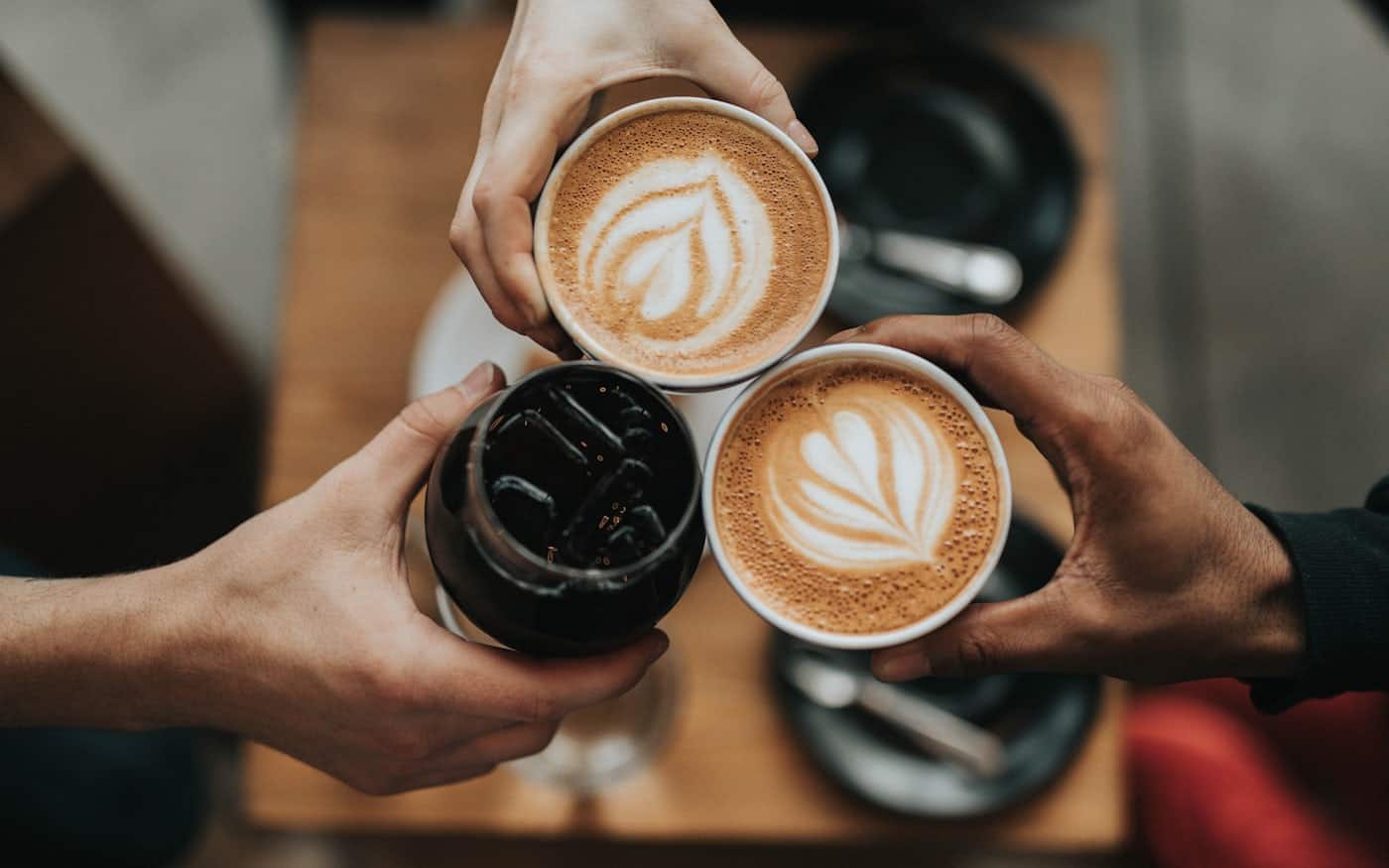
The $150 rung is control, and it has two parts: a scale and a gooseneck kettle. Add the scale first. Coffee is a brew ratio, not a scoop, and weighing your coffee and water to the gram is what makes yesterday's good cup repeatable today. A scale with a built-in timer also lets you track your bloom and total brew time without juggling your phone; our coffee scale with a timer guide covers which features earn their cost. Then add a gooseneck kettle like the Fellow Stagg EKG, a 0.9 liter kettle with variable temperature control and a narrow spout that lets you pour where you want at the rate you want. Our gooseneck kettle guide walks through which features actually matter for pour-over.
The $500 rung is repeatability and refinement, and most of the new budget goes back into the grinder. The anchor here is an electric conical burr grinder like the Baratza Encore ESP, which carries 40mm stainless steel conical burrs and 40 stepped settings, 20 tuned for espresso and 20 for filter, and grinds a full batch hands-free. At this level grind consistency is what separates a good cup from a great one, and an electric grinder removes the variability of cranking by hand. You are not buying better coffee so much as buying the ability to hit the same good coffee every morning, then change one thing at a time when you want a different flavor. The honest tradeoff is that it is louder and larger than a hand grinder, and it is more grinder than a single-cup brewer strictly needs.
A quick decision framework: pick your rung by how much coffee you make and how much you want to tinker, not by how much you can spend. If you make one or two cups and just want them to beat the corner shop, the $50 rung does that on its own. If you make coffee for two every morning and enjoy the ritual, the $150 rung is the sweet spot, and it is the one we point most people toward. The $500 rung pays off only if you already weigh everything and notice the difference between a 92 and a 96 degree pour. One fork to name: if your goal is espresso rather than filter, that is a separate track with its own grinder demands, and our small-apartment espresso machine guide covers the gear that path needs.
One thing worth doing before you climb any rung: taste good coffee made well, so you know what you are upgrading toward. Brooklyn makes that easy. A roaster like Sey Coffee, which roasts a deliberately light, Nordic-leaning style in Bushwick, will sell you whole beans and tell you how they brew them. Buy a bag from a shop on our specialty coffee list, ask what ratio they use, and you have a target to match at home. When you are ready to buy, our gear page keeps the running shortlist, and the cluster guides above go deep on each rung. Upgrade the grinder first, and let the beans you already love show you why.
Frequently asked
- What coffee gear should I upgrade first?
- The grinder. Grind uniformity changes the cup more than any other single purchase, so the first $50 you spend on upgrading should buy a real burr grinder before a nicer kettle, brewer, or scale. Moving off a blade grinder is the upgrade you taste the next morning.
- What is a good order to upgrade home coffee gear?
- Grinder, then a scale, then a gooseneck kettle, then a better grinder again. At $50 you fix the grind. At $150 you add weighing and water control so your good cup is repeatable. At $500 most of the new money goes back into a better grinder, because consistency is what separates a good cup from a great one.
- Is a $500 coffee setup worth it over a $150 one?
- Only if you already weigh your coffee and want to dial in. The jump from $150 to $500 buys repeatability and refinement, not a different category of coffee. If you make one or two cups and they already taste good, stop at $150 and spend the rest on better beans.
- Do I need an espresso machine to upgrade my coffee?
- No. Pour-over and French press reward upgrades to the grinder, scale, and kettle without any machine. Espresso is a separate and pricier path with its own grinder requirements, so treat it as a different track rather than the next rung on this one.
Worth a visit
Coffee shops that fit this story.